
Why Your Water Pressure Keeps Changing in Sarasota
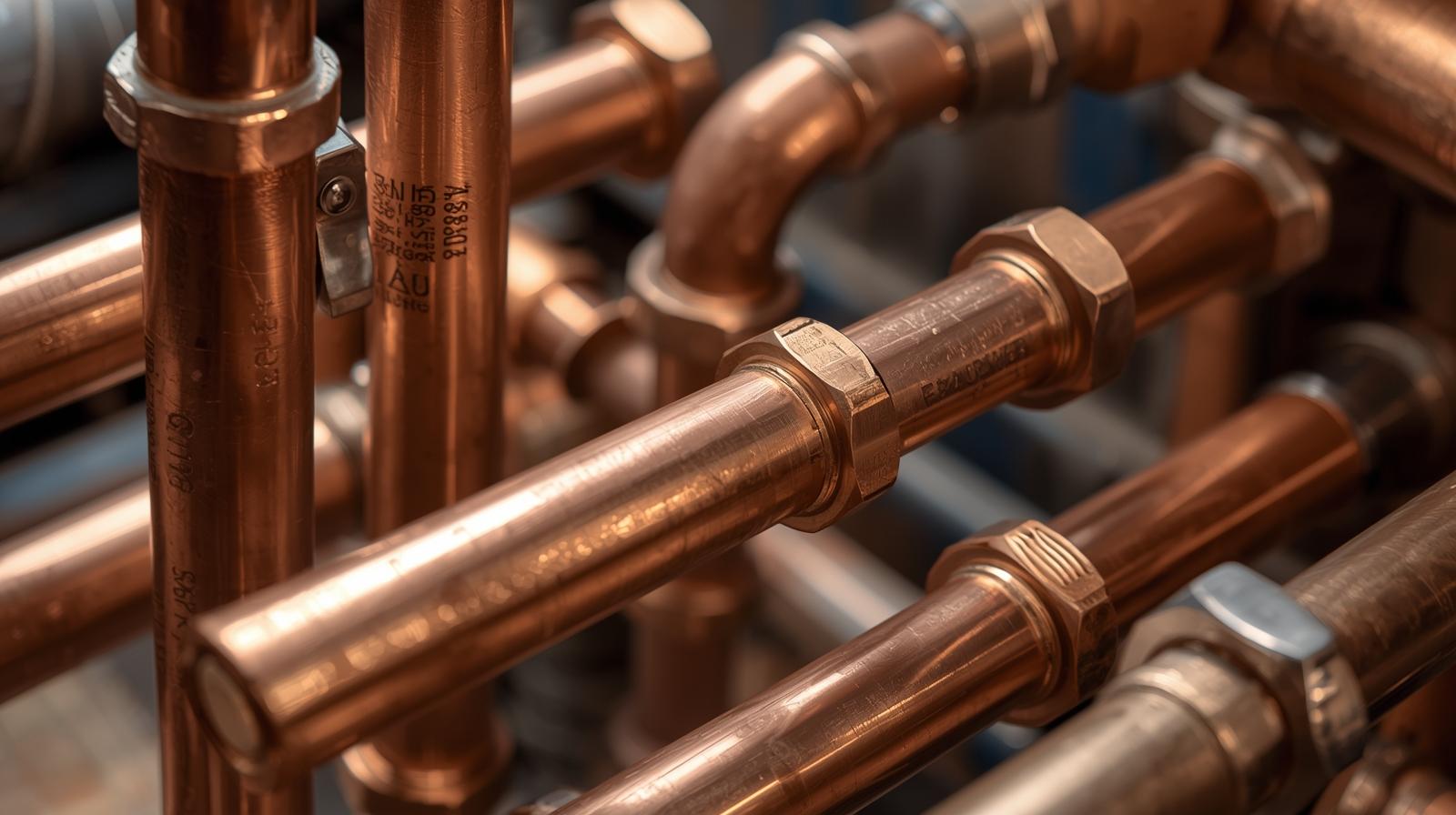
Fluctuating water pressure means your water flow won’t stay consistent, strong one minute, weak the next, or bouncing up and down while you’re doing something normal like taking a shower. If your shower suddenly turns skimpy right when the dishwasher kicks on in a Sarasota kitchen, that is not your imagination, and it usually is not random either.
What fluctuating water pressure actually means
Steady water pressure feels boring, and that is exactly what you want. You turn on a faucet, the flow stays predictable, and your shower does not surge, fade, or sputter halfway through washing your hair.
Fluctuating water pressure is different from water that is always low. If pressure is low all the time, the problem is usually constant: a restriction, a valve issue, or weak supply. If pressure changes throughout the day or even during a single use, something is affecting the system on and off.
That difference matters because changing pressure points to moving parts, shifting demand, or a problem that gets worse under certain conditions. Think of it like traffic. An always-slow road is one problem. A road that suddenly jams up, clears, then jams again usually means bottlenecks, merging, or a wreck somewhere ahead.
Why this keeps happening in sarasota
In Sarasota, changing water pressure often comes down to a mix of local conditions and plumbing wear. Older homes, seasonal population shifts, outdoor irrigation, mineral-heavy water, and aging underground lines all put extra stress on how water moves through a property.
Here’s the thing: pressure swings usually have a reason behind them. In some neighborhoods, older piping slowly narrows inside from corrosion or scale. In others, demand rises sharply during busy hours, especially during seasonal peaks when more homes, condos, and businesses are pulling water at once. Add summer storms, soaked ground, and wear on buried lines, and pressure can get noticeably less predictable over time.
Common signs your water pressure is unstable
The shower is the obvious place to notice it, but the signs often show up elsewhere first. A bathroom sink may run hard for a second, then settle down. A kitchen faucet may pulse slightly. A toilet may refill in an odd, uneven way, like it is stopping and starting instead of filling smoothly.
Appliances can hint at the problem too. If a washing machine seems to take longer to fill than it used to, or a dishwasher sounds different during intake, unstable pressure may be part of it. Some properties also notice a pattern by time of day, fine late at night, annoying in the morning, then normal again by midday.
Sputtering is another giveaway. If air spits out before water steadies, or the flow feels choppy instead of smooth, something is interfering with normal pressure.
The difference between a whole-house issue and one fixture acting up
This is one of the fastest ways to narrow the problem. If pressure changes show up at multiple sinks, showers, and appliances, the issue is probably somewhere in the main plumbing system or incoming supply. If only one faucet acts weird, the cause is often much smaller and more local.
A single bad fixture can come from a clogged aerator, a worn cartridge inside the faucet, or a nearby shutoff valve that is not fully open. But if your bathroom sink, kitchen faucet, and shower all change pressure the same day, that points away from one fixture and toward something larger.
The most common causes of fluctuating water pressure
Most pressure swings come back to a handful of causes. The trick is figuring out which one fits the pattern you are seeing.
Mineral buildup and partial clogs inside pipes
Buildup means material collecting inside the pipe, usually mineral scale, rust, or debris. Over time, that narrows the path water uses to travel. In older plumbing, especially metal piping, the inside can get rough and tight enough to disrupt flow.
That does not always create constant low pressure. Sometimes water still gets through fine until more than one fixture runs, or until a piece of debris shifts and partly blocks the line. That is why pressure can feel uneven instead of simply weak.
A failing pressure regulator
A pressure regulator, sometimes called a pressure-reducing valve, helps keep incoming water at a controlled level. Think of it like a traffic cop for your plumbing. It keeps water from rushing in too hard and helps maintain consistency.
When that part starts to fail, pressure can swing high and low across the property. You may notice a strong blast at one moment and a disappointing trickle the next. Because the regulator affects the incoming supply, these problems often show up throughout the house or building, not just at one fixture.
Hidden leaks somewhere in the plumbing
A leak steals water before it gets where you want it. Even a relatively small leak can affect pressure, especially if it worsens or only becomes obvious when demand rises.
Leaks behind walls, under slabs, or in outdoor supply lines can be sneaky. Clues often include higher water bills, damp spots, soft ground outside, or the sound of water moving when everything is turned off. Pressure that suddenly drops and stays inconsistent deserves attention fast.
City supply changes and shared line demand
Municipal water systems do not always feel identical hour to hour. Demand changes throughout the day, and shared supply lines can make that more noticeable in certain areas. Morning routines, irrigation schedules, and heavier seasonal occupancy can all affect the pressure you feel indoors.
In Sarasota, that can show up as better pressure late at night and weaker flow earlier in the morning. If the pattern lines up with busy-use times, the issue may be at least partly outside your walls.
Problems with valves, shutoffs, or fixture parts
Sometimes the cause is annoyingly simple. A main shutoff valve that is not fully open can restrict water. A worn angle stop, which is the small shutoff valve near a sink or toilet, can do the same thing. So can a clogged faucet aerator or a shower cartridge packed with debris.
These parts are small, but they control a lot. A partially blocked aerator can make a sink feel inconsistent. A sticky shower cartridge can cause changes in flow and even temperature. Small part, big headache.
Water heater or appliance-related restrictions
If the pressure problem mostly affects hot water, look in the direction of the water heater and anything attached to the water line. Sediment in the heater can restrict flow. A valve near the heater can fail or partly close. Water softeners, filters, and similar treatment equipment can also clog and choke the flow.
That hot-only clue matters. It often cuts the possible causes in half right away.
Sarasota-specific factors that can make pressure swings worse
Generic plumbing advice only gets you so far. Local conditions make a real difference.
Older homes and aging plumbing in established neighborhoods
Older homes often have pipes that have been slowly changing for decades. In established Sarasota neighborhoods, an older house can look completely fine from the outside while the plumbing inside the walls tells a different story.
Areas with older housing stock, including places near Southgate or Arlington Park, can hide corrosion, narrowed galvanized lines, or patched sections that affect pressure in uneven ways. The result is often not dramatic at first. It just gets a little more inconsistent over time, until one day the shower starts acting up every morning.
Hard water and mineral scale
Hard water leaves mineral deposits behind, especially in fixtures, water heaters, and narrow passages inside valves. That scale builds slowly, which is why the change can be easy to miss at first.
Then it reaches a tipping point. A showerhead starts spraying unevenly. A faucet loses force. Hot water pressure seems worse than cold. It feels sudden, but the buildup has usually been forming for a long time.
Lawn irrigation, pool fill-ups, and seasonal demand
Outdoor water use can change how pressure feels indoors, especially during early morning irrigation windows. If sprinklers are running while showers, sinks, or laundry are also in use, pressure can dip.
Pool fill-ups can add another layer, especially at properties with several water-heavy demands happening at once. During busier seasonal periods, those shared demands can stack up even more.
Storms, flooding, and wear on underground lines
Heavy rain and shifting ground can stress buried plumbing lines. Flooding and saturated soil do not help. Over time, that wear can contribute to leaks, weak points, and pressure changes that seem to come out of nowhere after a weather event.
What you can check before calling a plumber
A few basic checks can tell you a lot, and none of them require taking your plumbing apart.
Check whether the problem is hot water, cold water, or both
Run hot and cold separately at a couple of fixtures. If only hot water pressure changes, the issue often points toward the water heater, hot-side valves, or buildup affecting the hot line. If both sides act the same, the cause is more likely in the main supply or overall plumbing system.
Test more than one faucet and shower
Try the bathroom sink, kitchen faucet, shower, and an outdoor spigot if you have one. This helps you tell the difference between an isolated fixture problem and a property-wide issue.
That quick check saves time. It also makes the eventual diagnosis much sharper.
Look at shutoff valves, aerators, and showerheads
Confirm visible shutoff valves are fully open. Then check easy-to-reach fixture parts like faucet aerators and showerheads for debris or mineral buildup. Cleaning or swapping one clogged part can sometimes solve the entire problem.
It sounds almost too simple, but clogged aerators are common.
Watch for leak clues
Look for wet spots, unusually soft ground, damp cabinets, or a water meter that keeps moving when no water is running. Listen too. If you hear water moving through pipes while everything is off, that is a strong clue that water is escaping somewhere.
When fluctuating water pressure means you should act fast
Pressure swings are not something to ignore. Annoying today can turn into pipe damage, appliance wear, or a much larger leak tomorrow.
Sudden major pressure loss
If pressure drops sharply all at once, especially at multiple fixtures, act on it. That can point to a significant leak, a main line issue, or a failed valve. A sudden change is usually more serious than a slow, gradual one.
Banging pipes, sputtering, or discolored water
Banging can mean pipes are loose or pressure is changing abruptly. Sputtering can mean trapped air or a leak letting air into the system. Discolored water can point to corrosion, disturbed sediment, or trouble in the supply line.
Those symptoms deserve prompt attention, especially when they show up together.
Pressure that is too high as well as too low
High pressure sounds nice until it starts stressing seals, connectors, appliances, and pipe joints. Repeated spikes can wear out a plumbing system faster than most people realize. Weak flow is annoying. Strong-but-erratic flow can be damaging.
How a plumber diagnoses fluctuating water pressure
A plumbing visit is usually less mysterious than it sounds. The goal is to figure out where the pressure changes begin and what conditions trigger them.
Pressure testing and fixture-by-fixture checks
A plumber may measure pressure at different locations and compare how hot and cold water behave. That helps show whether the problem is local to one branch line, tied to one fixture, or affecting the whole system.
Checking the pressure regulator, main line, and leak risk
Inspection often includes the pressure regulator, main shutoff, visible supply lines, and meter behavior. If leak signs are present, the search may extend to hidden plumbing areas, outdoor lines, or slab-related concerns.
What the fix often looks like
Common fixes include clearing blockages, cleaning or replacing a fixture part, repairing a leak, replacing a failing regulator, servicing a water heater, or updating older piping that has narrowed too much to perform properly.
Some fixes are small. Some are bigger. The point is getting to the actual cause instead of guessing.
Simple ways to help keep your water pressure steady
You cannot prevent every plumbing issue, but you can make pressure problems less likely.
Stay ahead of scale and sediment
Clean showerheads and faucet aerators regularly. If your water heater is due for service, flushing sediment can help maintain better flow. If your property uses filters or a softener, keep an eye on maintenance so those systems do not become the restriction.
Don’t Ignore small plumbing changes
A shower that gets slightly weaker, a rattling pipe, or a toilet that suddenly refills differently can all be early signs. Catching small changes early is cheaper than waiting for a major pressure problem to announce itself.
Schedule a check if your plumbing is older
If your Sarasota home or commercial space has older plumbing and recurring pressure changes, a proactive inspection makes sense. Pipes do not get younger, and recurring pressure swings usually mean something is asking for attention.
Frequently asked questions about fluctuating water pressure
Why is your water pressure going up and down?
The most common causes are partial clogs, mineral buildup, pressure regulator problems, hidden leaks, city supply fluctuations, or issues with a water heater, filter, or softener. The pattern matters. Whole-property swings usually point to a bigger system issue than a single sink or shower problem.
Is fluctuating water pressure bad for plumbing?
Yes. Repeated pressure changes can put extra stress on pipes, seals, appliance connections, and valves. The sooner you catch the cause, the better chance you have of avoiding a larger repair.
Can only one faucet have fluctuating water pressure?
Yes. When it is limited to one faucet, the problem is often in that fixture, its aerator, cartridge, or nearby shutoff valve. That is a much different situation from pressure changes happening across the whole property.
What is one thing to try first?
Test several fixtures and compare hot water versus cold. That one simple check tells you whether the issue is isolated or system-wide, and it points you much faster toward the real cause.
If your water keeps changing from strong to weak, treat that as a signal, not a quirk. Try that first fixture check today, because once you know whether the problem is local or whole-house, the next move becomes a lot clearer.
- Disclaimer: This article is for general informational purposes only. It is not professional advice, a quote, or a service agreement. Conditions at your home or property may differ; contact a qualified professional for an on-site evaluation before making repair, safety, or spending decisions.
Disclaimer: This article is for general informational purposes only. It is not professional advice, a quote, or a service agreement. Conditions at your home or property may differ; contact a qualified professional for an on-site evaluation before making repair, safety, or spending decisions.