When to Call a Plumber Instead of Fixing It Yourself
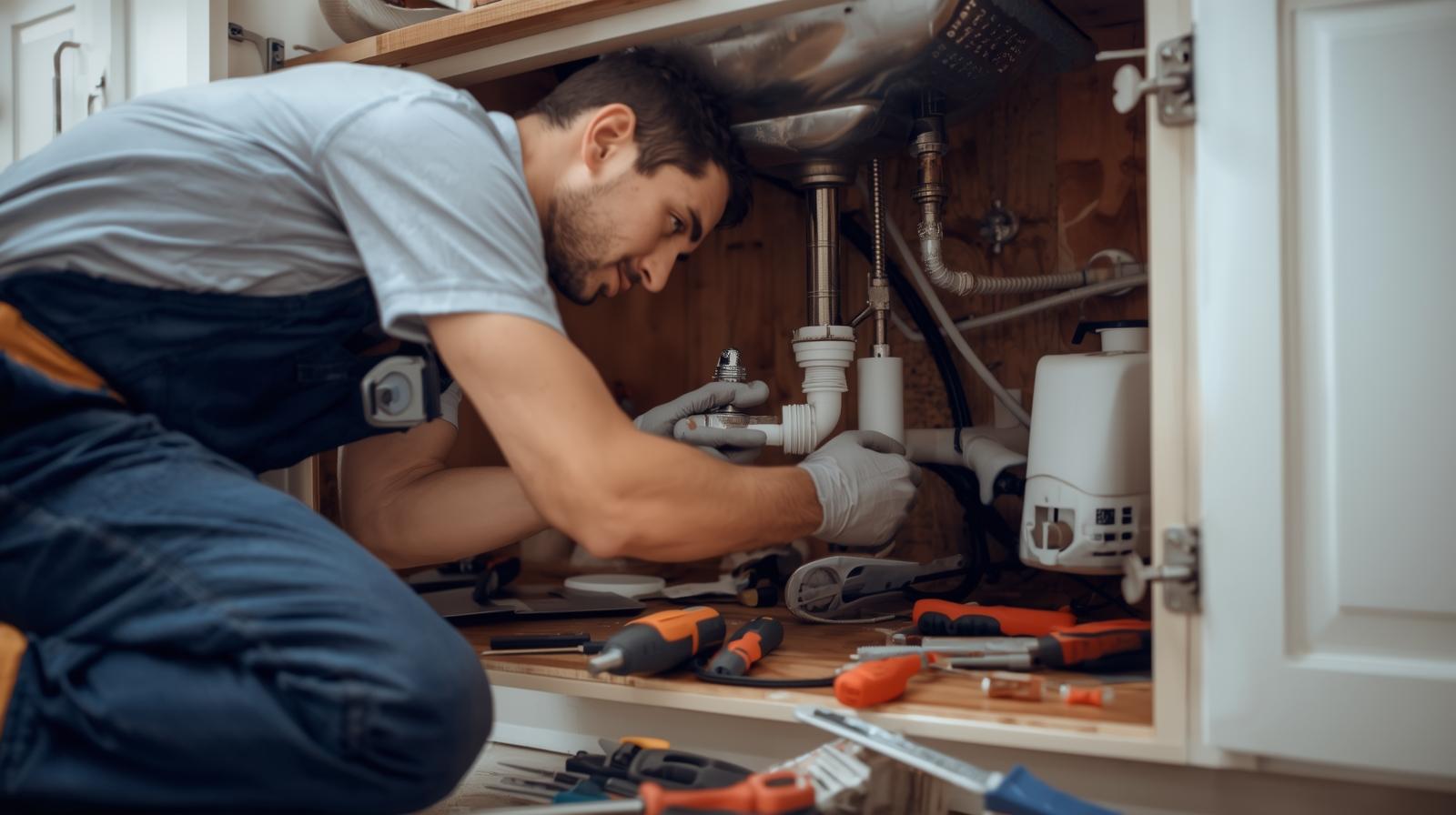
Knowing when to call a plumber can save you from turning a small annoyance into a soaked cabinet, damaged drywall, or a full weekend mess. Some plumbing problems are perfectly reasonable to try yourself, but some are the home repair version of ignoring a check engine light, they only get more expensive with time.
What “when to call a plumber” really means
When people search for when to call a plumber, the real question is usually this: is this a simple fix, or is this about to get worse fast? That distinction matters more than any single repair trick.
A basic plumbing issue is usually visible, easy to reach, and low risk. Think of a showerhead you want to swap out, or a sink that needs a few plunges. A plumber comes in when the problem is hidden, keeps coming back, affects more than one fixture, or involves water going where it should not. That is the line.
The catch is that plumbing problems tend to spread quietly. A small leak under a sink can turn into warped flooring. A slow drain can point to a bigger blockage deeper in the line. And anything involving wastewater, hot water, or pipes behind walls deserves more caution than most people give it.
What you can usually try yourself first
Some jobs really are fair DIY territory. If a sink or toilet has a simple clog, a plunger is a good first move. If an exposed connection under a bathroom sink is dripping and clearly loose, a gentle tightening may solve it. If your water heater has a simple reset button issue, resetting it once can make sense. Swapping a showerhead is also usually straightforward.
The trick is to stay in the shallow end. If the problem is right in front of you, easy to access, and unlikely to cause damage if the fix fails, trying it yourself is reasonable. If you need to open a wall, disconnect major lines, guess at parts, or keep retrying the same fix, it has already moved out of DIY territory.
A quick rule for deciding
Use a simple filter. If the problem is minor, easy to reach, and stops after a basic fix, you can probably handle it. If water keeps showing up, pressure drops across the house, or the issue touches sewer lines, hot water, or anything behind walls, call a plumber.
That rule works for homes and businesses. In a storefront, office, or rental, the threshold should be even lower because downtime and water damage affect more than one room.
Signs it’s time to call a plumber now
The clearest sign is repetition. Plumbing problems that come back are usually symptoms, not isolated glitches.
Your drain keeps clogging or multiple drains are slow
One slow bathroom sink can be hair and soap buildup near the surface. That is annoying, but not always serious. But if the clog keeps returning, if the drain gurgles, or if more than one sink or tub is slow at the same time, the problem may be deeper in the system.
That is when “main line” starts to matter. The main line is simply the large pipe that carries wastewater out of your property. When it starts clogging, you can see water backing up in the tub after flushing a toilet, hear bubbling sounds, or notice bad smells near drains. A plunger will not solve that.
You have little to no water pressure
Low pressure at one faucet can come from mineral buildup in that fixture. Low pressure across the house is different. If your shower, kitchen sink, and bathroom sink all suddenly feel weak, something bigger is going on.
Possible causes include a hidden leak, a failing valve, buildup in old pipes, or a supply problem. None of those are “just live with it” issues. Poor pressure affects daily use, but more importantly, it can be an early warning that water is escaping somewhere you cannot see.
You notice leaks, water stains, or damp spots
A drip from an exposed pipe is one thing. A stain spreading on the ceiling, a soft patch of drywall, warped flooring near the sink, or a musty cabinet smell is another.
Hidden leaks are sneaky. You may first notice a damp spot in the garage after one of those heavy Sarasota afternoon storms and assume it came from outside, only to find a pipe or connection slowly leaking nearby. By the time water becomes visible, some damage has usually already started. Mold likes that kind of dark, damp setup far more than your home does.
Your toilet won’t stop running, overflowing, or backing up
A toilet that runs nonstop can sometimes be fixed with a new flapper or a handle adjustment. That is one of the few toilet issues that can stay simple.
But repeated overflows, backups, or a toilet that clogs again right after plunging are different. If flushing one fixture affects another drain, or if sewage starts rising instead of going down, stop treating it like a basic toilet problem. That usually points to a deeper blockage or sewer issue.
You have no hot water or your water heater is acting strange
No hot water gets your attention fast. So should inconsistent temperatures, rusty-looking water, leaks around the tank, and loud popping noises.
That popping often comes from sediment buildup, which is just minerals settling at the bottom of the tank like grit collecting in a coffee mug. Over time, that layer makes the heater work harder and less efficiently. If the tank is leaking or the water keeps swinging from hot to cold, call a plumber before the heater quits completely.
A pipe bursts or water is going where it shouldn’t
A burst pipe is never a wait-until-Monday problem. If water is spraying, pooling fast, or pouring from a wall or ceiling, that is an immediate call.
Fast action matters because moving water damages almost everything it touches. Flooring, drywall, cabinets, stockrooms, equipment, and anything stored low are all at risk within minutes, not days.
Plumbing problems that are bigger than they look
Some issues seem small because the first symptom is small. The problem underneath often is not.
Sewer smells, gurgling, or water backing up
A bad smell near a drain is easy to brush off. A bubbling toilet can seem random. Water coming back into a tub or floor drain after using another fixture can look almost impossible.
Here’s the thing: those are classic signs that wastewater is not moving out the way it should. Backflow means dirty water is moving in the wrong direction. That can happen because of a sewer line blockage or another drainage failure, and it needs professional attention quickly.
Installing or moving plumbing fixtures and appliances
Hooking up a dishwasher, garbage disposal, washing machine, ice maker line, or new bathroom fixture can look simple on video. In real life, these jobs often involve shutoff valves, drainage slope, venting, connection sizes, and leak points hidden behind walls or cabinets.
That matters even more in a business. If a restaurant sink, office restroom, or shop appliance is installed wrong, the issue is not just a leak. It can interrupt operations, create sanitation problems, and cost you a full day of business.
When a plumbing issue becomes an emergency
Not every plumbing problem is urgent, but some call for immediate action. If active water damage, sewage, or total water loss is involved, do not wait and “see if it settles down.”
Call right away if you notice these red flags
Burst pipes, sewage backup, no water anywhere, an overflowing toilet you cannot stop, sudden flooding, or water near outlets and electrical equipment are all call-now situations.
Those are not monitor-it problems. Those are protect-the-property problems.
What to do before the plumber arrives
Start by shutting off the nearest fixture valve if you can reach it safely. If that does not stop the water, shut off the main water valve. If the water heater is involved, turn it off too.
Skip chemical drain cleaners. They often fail on serious clogs and can make the repair messier and more hazardous. Put down towels, use buckets where needed, and snap a quick photo if it helps show what happened before water gets cleaned up.
Common DIY mistakes that make plumbing repairs worse
The biggest DIY mistake is treating plumbing like a recipe where missing one step does not matter. It usually does.
Over-tightening fittings can crack parts or damage threads. Using the wrong sealant can create a leak that takes days to show up. Chemical drain cleaners can eat away at pipes and still leave the clog in place. Ignoring a “small” leak is how cabinets swell, drywall softens, and repair bills grow quietly.
Another common problem is replacing the visible part without fixing the cause. A new faucet handle will not solve pressure loss from a hidden leak. A repeatedly plunged toilet will not fix a blocked main line. If the same issue keeps coming back, stop swapping parts and make the call.
Is it cheaper to fix plumbing problems yourself?
Sometimes, yes. If the issue is truly small, like a showerhead replacement or a simple clog that clears and stays cleared, DIY can save money.
But a bad repair usually costs more than a service call. Repeat leaks, hidden water damage, damaged fixtures, and emergency cleanup add up fast. Cheap and expensive are not about who turns the wrench. They are about whether the problem actually gets solved.
How do you know if a clog is too serious for DIY?
The rule is simple: if more than one drain is affected, if water backs up, if you hear gurgling, if bad smells show up, or if the clog returns after plunging, it is too serious for basic DIY.
A simple clog stays local. A serious clog starts involving the rest of the system.
Can you wait to call a plumber for a small leak?
Usually not. A leak rarely stays small for long, especially in enclosed spaces like under sinks, behind toilets, or inside walls.
Even a slow drip can damage cabinets, drywall, flooring, or stored supplies over time. If you notice moisture, staining, or a leak that comes back after tightening something obvious, try one thing right away: shut off the water to that fixture and schedule the repair before the damage spreads.
- Disclaimer: This article is for general informational purposes only. It is not professional advice, a quote, or a service agreement. Conditions at your home or property may differ; contact a qualified professional for an on-site evaluation before making repair, safety, or spending decisions.
Disclaimer: This article is for general informational purposes only. It is not professional advice, a quote, or a service agreement. Conditions at your home or property may differ; contact a qualified professional for an on-site evaluation before making repair, safety, or spending decisions.