What Is Commercial Plumbing? A Plain-English Guide
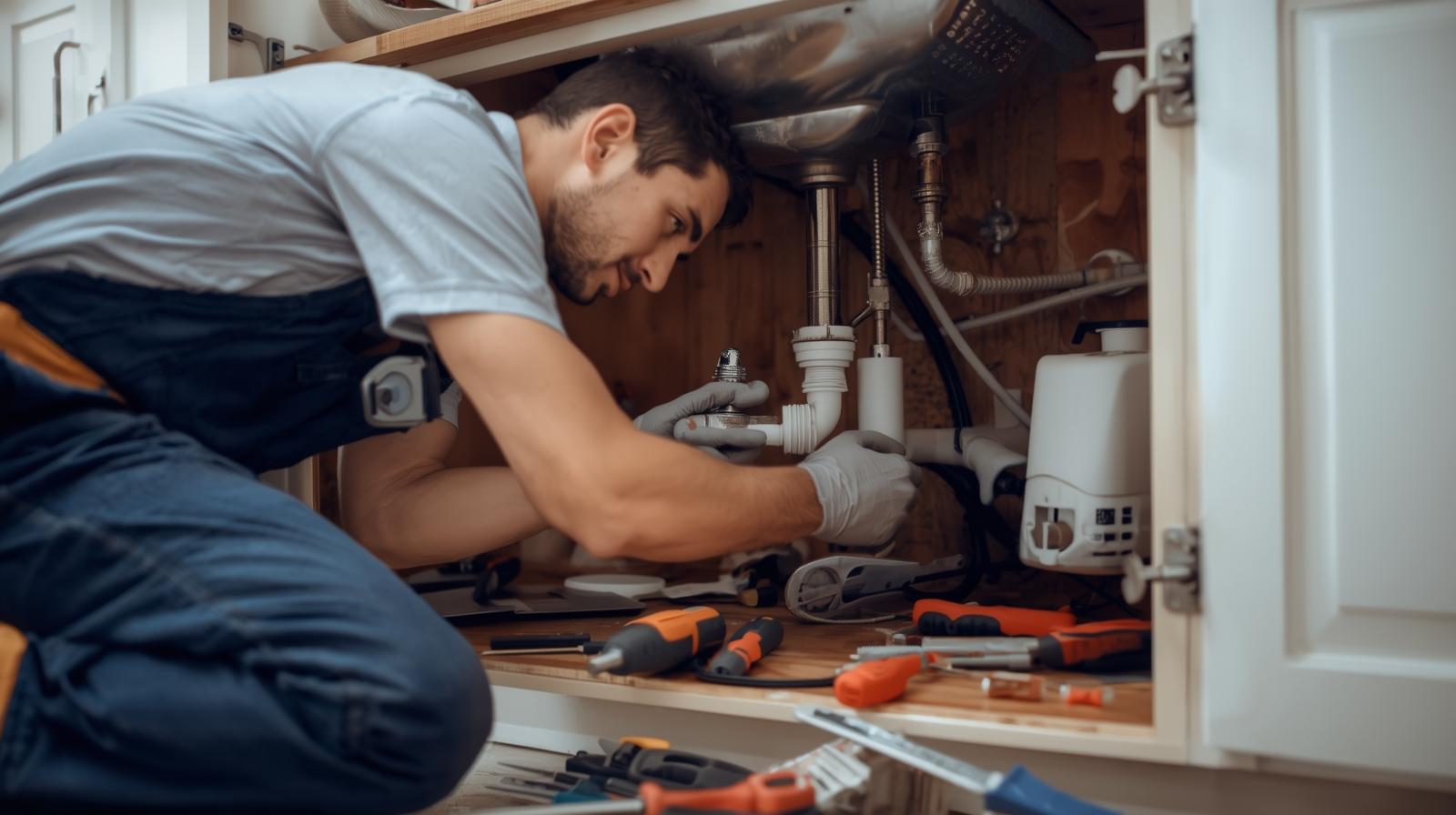
If you've ever had a restroom go down in the middle of a workday or noticed a sink backing up in a busy shop, you've already seen why people ask: what is commercial plumbing? In plain English, it's the plumbing built for businesses and shared properties, and it has to handle a lot more pressure, people, and rules than the plumbing in a house.
What is commercial plumbing?
Commercial plumbing is plumbing for businesses, public buildings, and multi-use properties instead of single-family homes. That includes places like restaurants, offices, medical spaces, retail stores, schools, and condo buildings around Sarasota.
The easiest way to think about it is this: residential plumbing serves a household, while commercial plumbing serves a stream of employees, customers, tenants, or visitors. A café near Main Street, a medical office off Tamiami Trail, and a condo building by Siesta Key all have different layouts, but the plumbing falls into the same broad category because the systems support shared daily use.
How commercial plumbing is different from residential plumbing
The biggest difference is simple. Commercial systems do more work.
You notice it in the number of fixtures, the amount of daily wear, and the rules attached to the building. A house may have a few sinks and toilets. A business property may have multiple restrooms, a breakroom, utility sinks, floor drains, and equipment connected to water lines all at once.
Bigger systems, heavier daily use
Commercial plumbing usually means more toilets, more sinks, more drains, and longer pipe runs through a larger building. That scale changes everything.
A restroom in a busy St. Armands Circle shop gets used far differently than a bathroom in a house. More flushing, more handwashing, more chances for clogs, leaks, and worn-out parts. Commercial systems are built for that traffic, but they also wear down faster because of it.
Stricter codes and inspections
Commercial buildings also have tighter code requirements. Code just means the official rules a building has to meet for safety, health, and proper function.
Because employees and the public use these spaces, inspections and compliance matter more. If plumbing in a restaurant, clinic, or office doesn't meet code, the problem is bigger than inconvenience. It can affect health, operations, and permits.
More moving parts behind the walls
Commercial plumbing is basically a bigger machine with more pieces working together. Beyond pipes and fixtures, you may be dealing with water heaters, grease traps, backflow devices, sewer lines, floor drains, and larger shutoff systems.
That extra complexity is why commercial jobs need a different approach. One small problem can ripple through the rest of the building fast.
What counts as a commercial plumbing system
Commercial plumbing covers much more than fixing a leak under a sink. It includes the systems that bring clean water in, move wastewater out, and keep shared spaces working day after day.
Water supply and drain lines
Your water supply lines bring fresh water into the building. Your drain lines carry wastewater back out.
When something goes wrong here, you may notice low water pressure, recurring clogs, slow drains, or signs of aging pipes. In a commercial building, those issues rarely stay small for long.
Restrooms, kitchens, and utility areas
This includes the fixtures people use every day: toilets, sinks, urinals, breakroom sinks, mop sinks, and kitchen plumbing. In commercial spaces, layout and fixture count matter a lot more because more people rely on them.
If one restroom goes down in a small office, it's annoying. If one goes down in a restaurant or retail space, it can throw off the whole day.
Specialty equipment and safety devices
Some commercial properties also need specialty plumbing equipment. A grease trap catches fats and food waste before they enter the sewer, which matters in food service. A backflow preventer stops contaminated water from flowing backward into clean water.
Those parts aren't flashy, but they do a lot of heavy lifting.
Common commercial plumbing problems you may run into
Most commercial plumbing calls come down to a handful of issues, but the impact is bigger because more people are affected.
Clogs, leaks, and sewer backups
Clogs and leaks are common anywhere, but high-traffic buildings push systems harder. A blocked restroom, an overflowing toilet, or a sewer backup can interrupt customers, employees, tenants, and normal business almost immediately.
The catch is that commercial problems spread fast. What starts as a slow drain can turn into a shut-down situation if it gets ignored.
Water heater and hot water issues
Hot water problems are another big one. Inconsistent hot water, an undersized system, or a failed water heater can affect handwashing, cleaning, kitchens, and tenant comfort.
In a commercial space, no hot water is rarely a minor inconvenience. It usually disrupts operations.
Hidden wear from constant use
Here's the thing: commercial plumbing wears out faster because it gets used harder. Valves wear down. Pipes corrode. Fixtures loosen. Small leaks hide in walls or utility areas until the repair gets much bigger and much more expensive.
Why commercial plumbing maintenance matters
Preventive maintenance is the practical way to avoid surprise shutdowns and expensive emergency calls.
Fewer interruptions to your day
Routine checks help catch small issues before a restroom closes, a kitchen sink backs up, or a tenant space loses service. Think of it like an oil change for your building. It is much easier to deal with a small fix than a full breakdown at 10:30 on a busy Tuesday morning.
Better compliance and cleaner operation
Regular service also helps keep plumbing safe and up to code, especially in food service, healthcare, and multi-unit properties. Clean drains, working shutoffs, and tested safety devices make daily operations smoother and less risky.
Longer life for pipes and fixtures
When lines are cleaned, worn parts are replaced, and equipment is checked regularly, your plumbing usually lasts longer. That often means fewer emergency calls and fewer surprise repair bills.
When you need a commercial plumber instead of a residential plumber
If your property is used for business, shared occupancy, or public access, the difference matters. Commercial work usually calls for a commercial plumber.
Projects that usually call for commercial service
That includes tenant build-outs, restaurant plumbing, office restroom upgrades, sewer line work, code-related repairs, repiping, backflow testing, and maintenance for multi-unit properties. These jobs involve larger systems, tighter rules, or both.
Questions worth asking before you hire
Ask if the plumber has experience with commercial buildings, understands local code requirements, can schedule around business hours, and can handle larger shared systems. In Sarasota, that local experience matters because the right fix for a small shop, condo property, or medical office isn't always the same.
Commercial plumbing FAQs
Is commercial plumbing more expensive?
Often, yes. The systems are larger, the work is more complex, and downtime costs more too.
Does a small business still count as commercial?
Yes. A small office, café, shop, or salon usually still falls under commercial plumbing.
What should you do first if you notice a plumbing issue?
Document the problem, stop using the affected fixture if possible, and get it checked before it spreads. Acting early is almost always cheaper, cleaner, and less stressful than waiting for a bigger mess.
Disclaimer: This article is for general informational purposes only. It is not professional advice, a quote, or a service agreement. Conditions at your home or property may differ; contact a qualified professional for an on-site evaluation before making repair, safety, or spending decisions.