Plumbing Basics Every Homeowner Should Actually Know
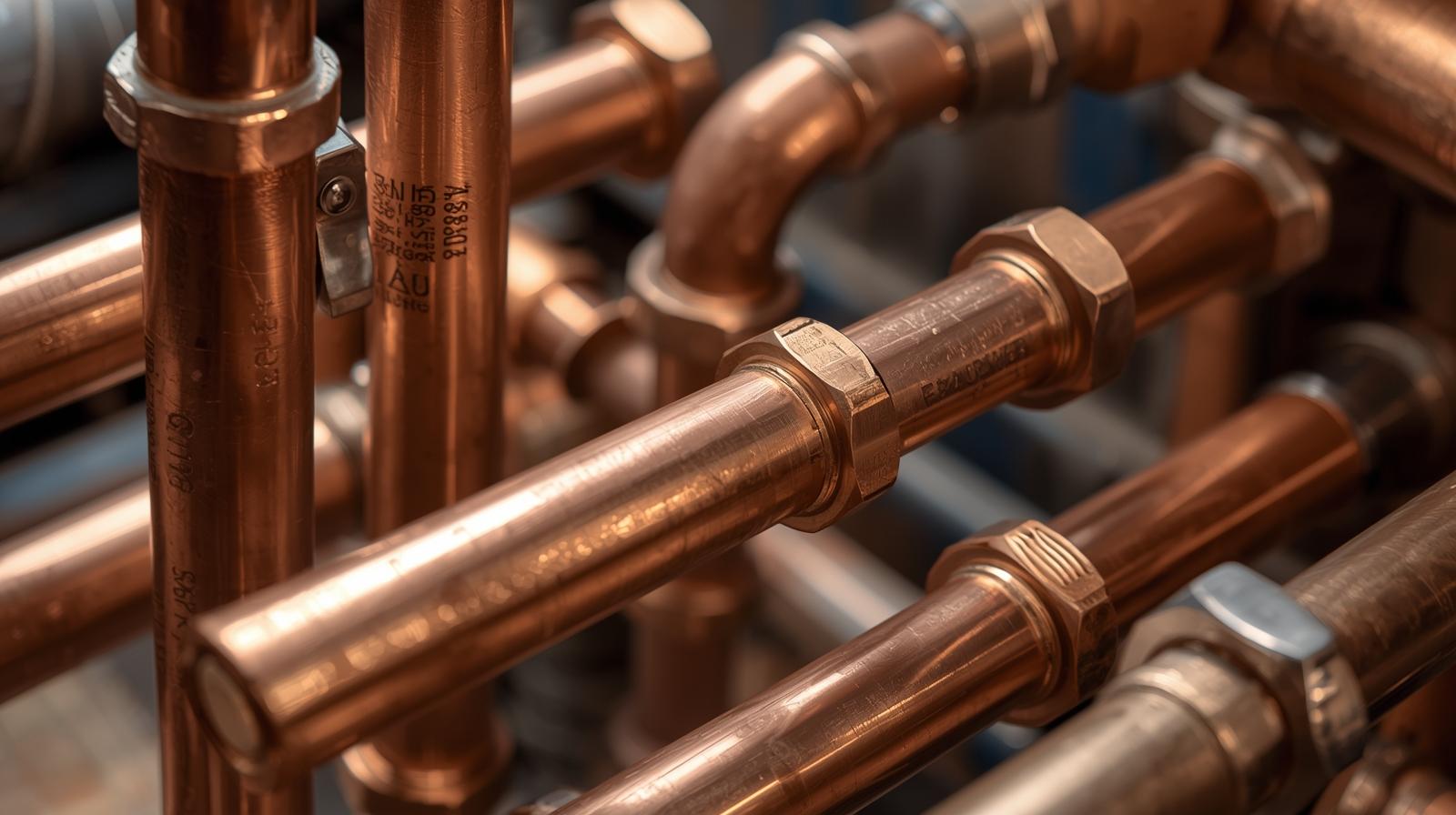
Plumbing usually stays invisible until the worst possible moment, like when the kitchen sink starts backing up an hour before company arrives. The good news is that your home’s plumbing is not nearly as mysterious as it seems, and a few basics can save you money, stress, and a soggy floor.
In simple terms, plumbing is your home’s water delivery and removal system. Clean water comes in through supply lines, gets used at fixtures like sinks and showers, and leaves through drain lines that carry wastewater out safely.
What you’ll learn here: - how water gets in and out of your home - which shutoff valves matter most - simple fixes you can safely try - mistakes that create bigger plumbing problems - easy maintenance habits that actually help - when to stop and call a plumber
How your home plumbing actually works
Think of your plumbing like a two-way traffic system. One side brings fresh water in under pressure. The other side carries used water out by gravity. Once that clicks, a lot of household problems start making more sense.
Supply lines are the pipes that deliver clean water to your sinks, toilets, shower, dishwasher, and washing machine. Drain lines do the opposite. They move wastewater away from those fixtures and out to the sewer or septic system. Shutoff valves are simply on-off controls that stop water flow when something leaks or needs repair.
The two sides of plumbing: supply and drain
Supply pipes stay pressurized, which is why a broken line can make a mess fast. When you turn a faucet handle, water is already waiting in the pipe. It just needs an opening.
Drain pipes are less dramatic but just as important. They rely on slope and venting to move water and waste away without creating suction or sewer odors. If a drain clogs, the problem is usually slower and messier, not explosive. That difference matters when you’re deciding whether you’re dealing with a nuisance or an emergency.
The fixtures you use every day
Every fixture in your home connects to both sides of the system, except a few simple ones. A sink has supply lines for hot and cold water and a drain below. A toilet fills from a supply line and flushes into a drain line. Showers, tubs, water heaters, and hose bibs all tie into the larger setup the same way.
Here’s the thing: a small problem at one fixture can point to a bigger issue. A weak shower could be mineral buildup in the showerhead, or it could be a broader pressure problem. A slow sink might just need cleaning, or it might hint at a blockage farther down the line.
The plumbing basics you should know before anything goes wrong
This is the homeowner version of knowing where the flashlight is before the power goes out. You do not want to learn any of this while water is actively leaking onto the floor.
Find your main water shutoff now, not during a leak
Your main water shutoff stops water to the whole house. If a pipe bursts or a supply line splits, this is the valve that keeps damage from spreading room by room.
In many Sarasota-area homes, the main shutoff is often near the garage, along an exterior wall, or close to the water meter. Find it now. Make sure nothing blocks access. Turn it gently just enough to know it moves, then return it to its normal position if you are only testing.
Know the smaller shutoff valves too
Most sinks and toilets have local shutoff valves nearby, usually under the sink or behind the toilet. Appliances like washing machines and dishwashers may have dedicated shutoffs too.
If one faucet is leaking or one toilet will not stop running, shutting off that single fixture is often enough. If a pipe in the wall is leaking or water is showing up where you cannot trace it, go straight to the main shutoff.
Learn the difference between a drip, a clog, and an emergency
A drip is annoying, but it usually gives you time. A clog is frustrating, but often manageable if only one fixture is affected. An emergency is any plumbing problem that risks fast water damage, sewage exposure, or a total loss of water.
A slow drain, a running toilet, or a showerhead with weak spray usually falls into the manageable category. Sewer smells, water pooling under flooring, a burst line, or no water at all is different. Those are same-day problems.
Easy plumbing fixes you can usually handle yourself
Some plumbing jobs are perfect beginner tasks. The trick is knowing where simple ends and expensive mistakes begin.
Stop a running toilet without guesswork
A running toilet usually comes down to three parts inside the tank. The flapper is the rubber seal at the bottom. The chain connects the handle to the flapper. The float rises with the water level and tells the fill valve when to stop.
Start by taking off the tank lid and watching what happens after a flush. If the flapper does not seal, it may be worn or misaligned. If the chain is too tight or too loose, it can keep the flapper from closing properly. If the water keeps rising too high, the float may need adjustment. Most fixes here are simple and inexpensive.
Clear a minor sink clog the safe way
Start easy. Try hot water if the clog is mild and likely caused by soap or grease buildup. Check the stopper for hair, sludge, or debris, especially in bathroom sinks where buildup collects fast.
If that does not work, use a sink plunger, not brute force. A few controlled plunges usually tell you whether the clog is near the drain opening or farther down. Skip harsh chemical drain cleaners. The catch is that those products can damage pipes, especially older ones, and make future repair work nastier and less safe.
Swap a showerhead or faucet aerator
This is one of the easiest plumbing upgrades in the house. A faucet aerator is the small screen at the tip of the faucet. A showerhead works similarly by controlling flow and spray pattern.
Mineral buildup can choke both of them over time, which is common in places where water leaves deposits behind. Unscrew, clean, or replace the part, and water flow often improves immediately. It is a small fix that feels oddly satisfying.
Plumbing mistakes that cause bigger problems fast
Some habits seem harmless right up until the repair bill shows up. These are the ones worth cutting out immediately.
What not to flush or wash down the drain
Toilets and drains are not trash cans. Wipes, even the ones labeled flushable, are a classic problem because pipes do not care what the package says. Grease is another one. It goes down warm and comes back to haunt you once it cools and sticks.
Food scraps, paper towels, and hygiene products cause the same kind of trouble. Think of your drain like an artery, not a garbage chute. A little buildup at a time is how a bad clog starts.
Why chemical drain cleaners are usually a bad trade
Chemical cleaners promise a quick win, but often create a second problem. If the drain stays blocked, that chemical may just sit in the pipe. That can wear on older plumbing and create a safety hazard when the drain has to be opened later.
Safer first steps are simple: remove visible debris, try hot water, and use a proper plunger. If multiple attempts do nothing, the clog probably needs professional equipment, not stronger chemicals.
Overtightening, overusing tools, and other DIY trouble
Plumbing connections often need a firm seal, not maximum force. Overtightening can crack plastic fittings, strip threads, or warp washers so they leak anyway.
It is like cranking a jar lid down too hard and then needing a dish towel and ten minutes of regret to undo it. If a part is resisting badly, stop forcing it. That usually means something is misaligned, cross-threaded, or simply the wrong size.
A simple plumbing maintenance routine that actually helps
You do not need a complicated schedule. A few quick checks catch a surprising number of problems before they turn into weekend-ruining repairs.
Monthly checks that take about ten minutes
Once a month, look under sinks for moisture or staining. Listen for a toilet that keeps refilling after the flush. Notice any drain that has started moving slower than usual. Glance at your water bill too. A sudden jump without a good reason often points to a hidden leak.
Seasonal plumbing tasks for florida homes
Florida homes deal with different stress than homes up north. In Sarasota and nearby areas, heavy rain can expose drainage problems around the house, and humidity can make moisture issues easier to miss until mildew shows up.
Check outdoor spigots and irrigation connections for drips or soft ground nearby. After major rain, pay attention to unusual odors or slow drains. Exterior plumbing in this climate takes a beating in a different way, mostly from heat, moisture, and constant use.
Water heater basics every homeowner should know
Your water heater stores or heats the water that supplies showers, sinks, and appliances. If hot water turns inconsistent, runs out too fast, or starts making rumbling sounds, pay attention.
Basic observation matters more than DIY repair here. Water heaters involve heat, pressure, and sometimes gas or high-voltage electricity. Notice the warning signs early, but save the deeper repair work for a plumber.
When to call a plumber right away
Some problems are not worth experimenting with. Water damage spreads fast, and sewer issues are never a wait-and-see situation.
Signs of a hidden leak
Watch for damp spots, musty smells, peeling paint, warped baseboards, warm spots on the floor, lower pressure, or a rising water bill. Hidden leaks are sneaky because the pipe can keep leaking for days or weeks before the damage becomes obvious.
By the time a stain appears, the problem is rarely brand new. Fast action matters here.
Sewer line and drain warning signs
If multiple drains back up at once, toilets gurgle, sewage smells drift in, or water rises in the tub when another fixture runs, the issue is likely deeper than one clogged sink. That points to a drain system problem, possibly even the main line.
This is not the moment for more plunging and wishful thinking. It needs prompt service.
No water, no hot water, or sudden pressure changes
If your whole house loses water, hot water disappears completely, or pressure suddenly drops everywhere, treat it as a system-wide issue. One weak faucet is one thing. A shower that turns into a trickle on a humid Sarasota morning is another.
That kind of sudden change usually means the problem is bigger than a fixture.
How to be ready for a plumbing visit
A little preparation can shave time off the repair and help protect your home while you wait.
What to check before you make the call
Pin down which fixtures are affected and when the problem started. Notice whether it happens all the time or only during certain use. Check whether a local shutoff valve or the main shutoff changes anything.
Those details help narrow the issue faster. “The upstairs shower lost pressure this morning, but the sinks are fine” is far more useful than “something is wrong with the plumbing.”
Small steps that protect your home while you wait
If water is actively leaking, shut off the nearest valve or the main water supply. Move rugs, storage bins, or anything absorbent out of the area. Put down towels or a bucket if it helps contain the mess, and keep the space clear so repair work can start quickly.
Try one thing today: find your main shutoff and make sure you can reach it in seconds. That one small step can save you the biggest headache later.
- Disclaimer: This article is for general informational purposes only. It is not professional advice, a quote, or a service agreement. Conditions at your home or property may differ; contact a qualified professional for an on-site evaluation before making repair, safety, or spending decisions.
Disclaimer: This article is for general informational purposes only. It is not professional advice, a quote, or a service agreement. Conditions at your home or property may differ; contact a qualified professional for an on-site evaluation before making repair, safety, or spending decisions.