
A Hybrid Water Heater Needs the Right Room, Not Just an Electrical Connection
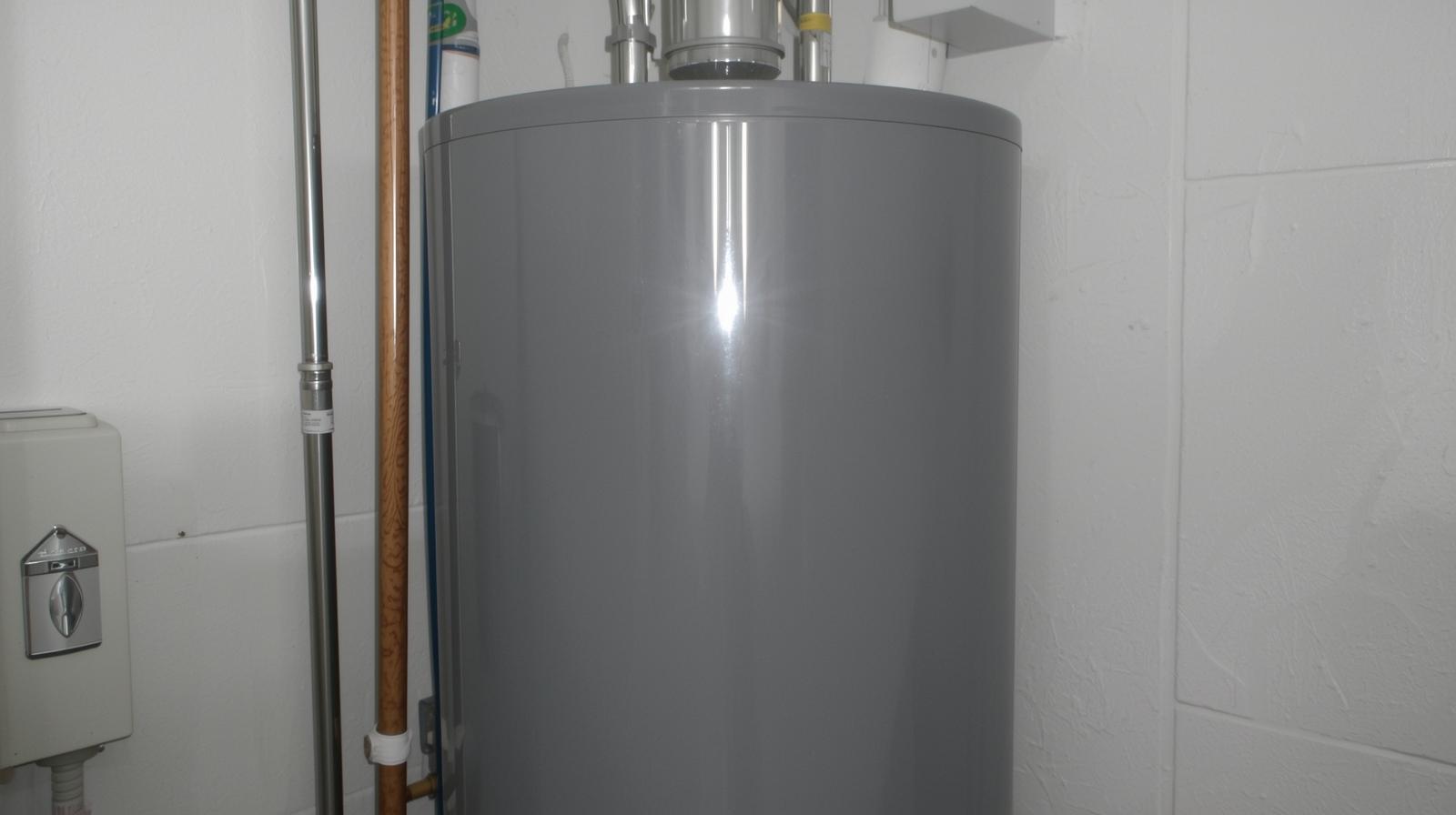
A hybrid heat-pump water heater can look like a taller version of a normal electric tank. The installation is not exactly the same.
A traditional electric tank creates heat with electrical elements inside the unit. A hybrid model can also use heat-pump technology to pull warmth from the surrounding air and transfer that heat into the stored water. We identify hybrid equipment as a strong fit for many Florida garages and utility rooms through our water heater services, but no single water-heater type fits every home.
The replacement decision should account for the room around the unit as carefully as the plumbing connections attached to it.
The room has to provide usable air
A heat-pump water heater interacts with the air around it. The installer therefore needs to understand the size and configuration of the room rather than looking only at the old tank footprint. A large garage may provide a different operating environment from a small interior closet. A utility room filled with stored belongings may provide less open air than its floor dimensions suggest. A tightly enclosed space may require another installation approach or equipment choice.
Before our visit, record room dimensions, ceiling height, door type, existing ventilation, nearby equipment, shelving and storage, available clearance, normal room temperature, the location of the electrical panel, and the route used to remove the old tank. Take photographs from several angles. A close photograph of the equipment label is useful, but a wide view tells us much more about the room.
Florida garages can be practical locations
Sarasota and Manatee County garages often remain warm through much of the year. That can make them practical locations for hybrid equipment, provided the actual installation conditions fit the manufacturer's requirements and our evaluation. The garage may also provide easier access for equipment delivery, tank removal, condensate routing, plumbing connections, future service, leak observation, drain-pan installation, and electrical work.
The homeowner should still think about how the garage is used. A water heater surrounded by floor-to-ceiling storage is not operating in the same space as one with clear air and service access. A planned garage conversion, workshop, gym, or storage renovation should be mentioned before the replacement is selected. Homes in Sarasota, Bradenton, and Lakewood Ranch often raise that question during the same visit.
Condensate needs a planned destination
Heat-pump operation can produce condensate, and that water needs an appropriate route. Ask us where condensate will drain, whether gravity drainage is available, whether a pump is needed, how the line will be protected, where you can inspect it, what happens if drainage is blocked, whether the drain route crosses finished space, and who services the condensate components later.
The line should not simply end in a place where water can damage stored items or create a recurring wet area. A homeowner familiar with an ordinary electric tank may not expect the new equipment to need this additional drainage plan.
The equipment can affect the room around it
Because a hybrid unit moves heat from surrounding air into the tank, homeowners may notice that the nearby space feels different during operation. The effect depends on the room, equipment mode, run time, household hot-water use, and installation. That can matter when the water heater sits beside laundry equipment, a freezer, stored paint or temperature-sensitive material, a workshop, a conditioned utility room, an interior living area, or a room the family plans to renovate.
Ask what you should reasonably expect in that location. The purpose is not avoiding hybrid equipment. It is choosing the location with a clear understanding of how the system operates.
Stored hot water still needs to match the household
Hybrid systems still use a tank. The storage volume and recovery behavior have to match the household's busiest periods. Prepare a realistic hot-water schedule that includes morning showers, simultaneous bathrooms, large tubs, dishwasher use, laundry, visiting family, home business needs, vacation-rental use where applicable, accessory living space, and changes expected during the next several years.
A household that uses modest amounts of hot water throughout the day may have a different equipment need from one that places several large demands into the same hour. Water-heater selection should account for peak demand, not simply the brand or equipment category.
Operating mode and noise belong in the walkthrough
Many hybrid systems provide more than one operating mode. The names and behavior depend on the selected equipment. During the final walkthrough, learn which mode we recommend for normal use, how another mode changes operation, what happens after unusually heavy hot-water use, how vacation settings work, which alerts may appear, how filters are accessed, what maintenance you perform, what should be left to a plumber, and how the unit behaves after a power interruption. Write the normal settings down. A water heater with several options can be operated poorly when every family member changes the controls based on one cold shower.
A standard electric tank is generally quiet during normal heating. A hybrid system includes heat-pump components and airflow. Ask us to discuss the proposed location when it shares a wall with a bedroom, home office, nursery, television room, guest room, quiet interior hallway, or outdoor sitting area. The unit may still be a good fit. Make that decision with an accurate expectation rather than treating the equipment as silent because it is called a water heater.
Water quality affects maintenance
We serve a Gulf Coast region where mineral buildup can affect water heaters and plumbing equipment. Our water-heater guidance recommends routine flushing for tank systems and periodic descaling for tankless units in hard-water conditions. For a hybrid tank, ask about the recommended flushing schedule, anode inspection needs, filter-cleaning schedule, the effect of existing water treatment, current hardness, signs of sediment accumulation, warranty maintenance requirements, and who documents service.
We also provide water testing and treatment through water quality services, allowing the incoming water and the heater to be discussed as connected systems without assuming every home needs the same treatment equipment. Broader fixture and line work sits under plumbing, and larger properties can raise related questions through commercial plumbing.
Compare the complete installed projects
A standard electric tank may fit the existing location with fewer changes. A hybrid proposal may involve additional work involving space, drainage, electrical supply, or equipment positioning. Compare storage capacity, electrical supply, room airflow, condensate drainage, sound, service access, efficiency, and maintenance for each option. The proposal should identify actual equipment and work, not rely only on a general comparison.
The best time to evaluate the room is before you need same-day replacement. Photograph the current equipment and record the model, serial number, approximate age, tank capacity, electrical information, service history, rumbling or popping, visible corrosion, past leaks, current recovery problems, and available room around it.
We serve Sarasota and Manatee counties from 911 Jakl Avenue in Sarasota. Call 941-809-5849 for traditional, tankless, hybrid, gas, and electric water-heater service. Florida license CFC1431556. More notes live on the blog, and you can reach us through contact.
Considering a Hybrid Water Heater?
Tell us about the room, your peak hot-water schedule, and the current tank. We can talk through whether hybrid equipment fits that location.
Call 941 809 5849