Commercial Plumbing Inspections: How Often You Need One
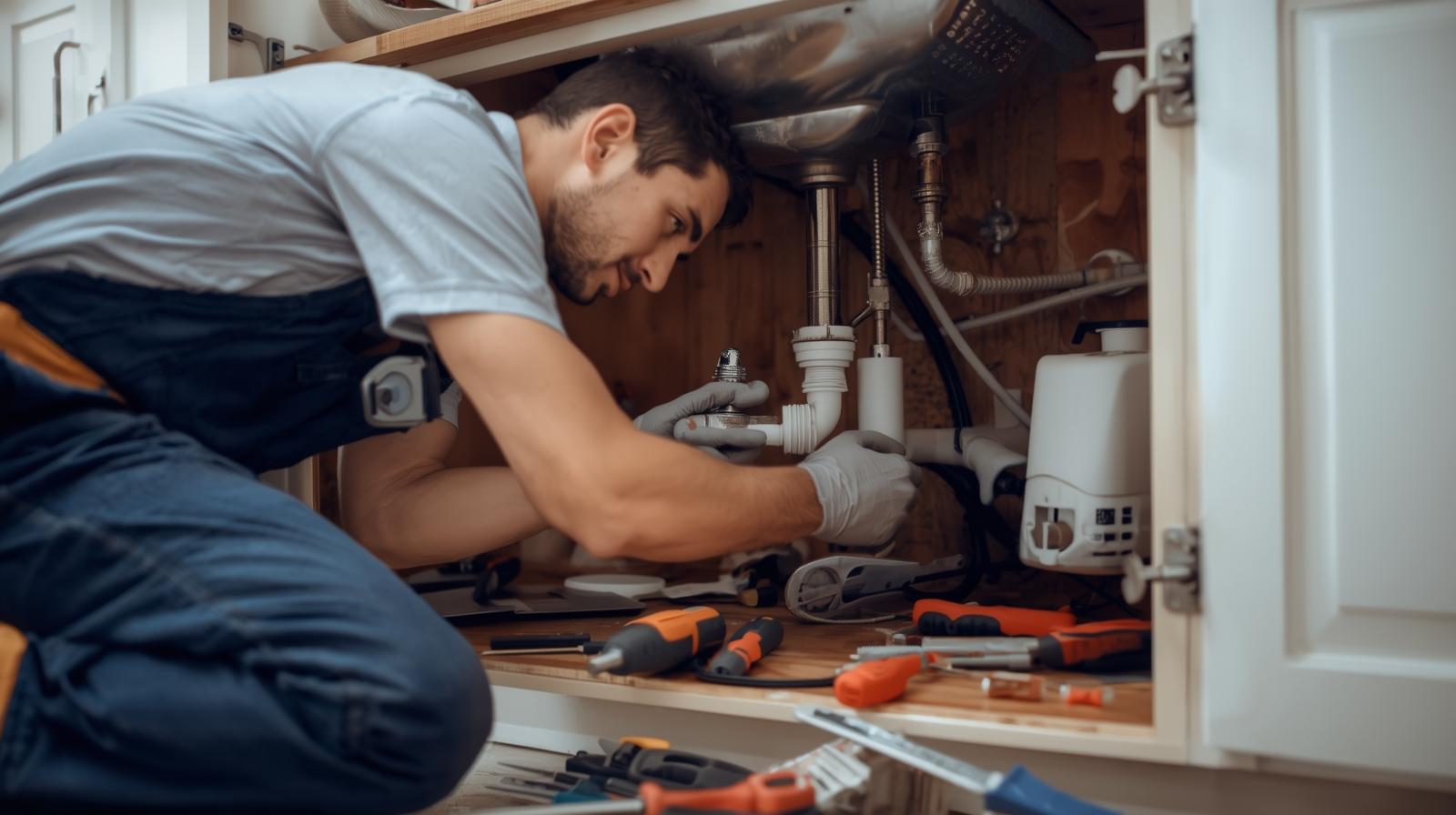
A commercial plumbing inspection is a full checkup of the plumbing systems inside your business property, and if you have not scheduled one in a while, there is a good chance you are waiting for a problem to announce itself at the worst possible time. A backed-up restroom at 8:30 on a Monday or a leak spreading across a tenant space in the middle of a Sarasota rainstorm is not when you want to find out your system has been struggling for months.
What a commercial plumbing inspection actually is
A commercial plumbing inspection is a detailed review of the pipes, drains, fixtures, water lines, sewer connections, shutoff valves, water heaters, and plumbing-related safety devices serving a business property. Think of it like a physical for the building. The goal is not just to spot what is already broken, but to catch wear, leaks, blockages, pressure problems, and aging parts before they turn into disruption and damage.
That matters because commercial plumbing takes more abuse than residential plumbing. Restrooms get used all day. Breakrooms, kitchens, mop sinks, and utility lines keep cycling. In some buildings, water is part of the operation itself, not just a convenience. Small issues build quietly in that kind of environment.
A commercial plumbing inspection is also different from a repair call. A repair visit usually starts with one problem, a clogged drain, a leaking faucet, a toilet that will not flush, and focuses on getting that one issue fixed fast. An inspection is broader. It looks at the whole system, asks why a problem keeps coming back, and checks nearby components that may be wearing out too.
How often you need a commercial plumbing inspection
For most businesses, a commercial plumbing inspection once a year is the right baseline. That is the short answer, and for many properties, it is enough.
But not every building runs the same way. A small professional office with newer plumbing and light restroom use does not need the same schedule as a busy restaurant, medical office, gym, school, or older multi-tenant building. If your plumbing gets used hard every day, or if the system has a history of leaks, clogs, sewer odors, or water pressure issues, once a year is usually too relaxed.
In practice, the inspection schedule should match three things: how hard the system works, how old it is, and how often it has already caused trouble. If one of those is high, increase the frequency. If two or three are high, definitely do not wait a full year.
A simple rule of thumb
Here is the cleanest takeaway: schedule a yearly commercial plumbing inspection for most properties, and move to every six months if your building is older, heavily used, or has recurring plumbing problems.
That rule works because plumbing issues rarely stay frozen in place. A minor drain restriction turns into a recurring clog. A small leak around a shutoff valve becomes cabinet damage, drywall staining, or flooring problems. A pressure issue that seems annoying in one restroom can point to a larger supply problem affecting the building.
If you manage more than one unit or tenant space, yearly inspections become even more valuable. Plumbing complaints have a way of hopping around a property. One suite notices slow sinks. Another notices sewer odor. A third mentions weak pressure in the afternoon. Seen separately, those sound minor. Put them together and you may have one system-wide issue.
When twice-a-year inspections make sense
Twice-a-year inspections make sense when plumbing is under constant stress. Restaurants are a clear example because grease, food solids, frequent sink use, and high hot-water demand create trouble faster than in a standard office. Gyms also deserve closer attention because showers, locker rooms, floor drains, and heavy restroom traffic put a steady load on the system.
Healthcare spaces are another category where waiting too long is a bad bet. Exam-room sinks, sanitation needs, specialty fixtures, and a low tolerance for downtime all raise the stakes. The same goes for schools, daycare facilities, and churches with busy event schedules. Water use may come in waves, but when it comes, it comes hard.
Older commercial buildings also belong in the twice-a-year group, especially if original cast iron drain lines, aging copper, or older galvanized piping are still in service. In those systems, problems do not always show up as one dramatic failure. More often, you get a trail of hints: a stain here, a backup there, a little corrosion at a valve, another tenant mentioning odor in the hallway restroom.
When you need an inspection right away
Some signs should move you from routine scheduling to immediate action.
An unexplained jump in your water bill is one of the biggest ones. Hidden leaks can run for weeks or months behind walls, under slabs, or around equipment before you see visible damage. The same goes for repeated slow drains, sewer smells, or low pressure that affects more than one fixture.
Water stains on ceilings or walls, soft flooring near restrooms, bubbling paint, or moldy smells also justify an inspection right away. So do repeat clogs in the same area. If you keep paying for the same drain to be cleared, the real problem is probably farther down the line.
A property purchase, lease, or remodel is another trigger. Before you sign for a commercial space or invest in upgrades, you want to know if the plumbing system is solid or hiding expensive surprises.
What changes the inspection schedule for your property
The right schedule is not random. It comes from the reality of your building, your plumbing history, and local conditions.
Building age and plumbing material
Age matters because plumbing materials do not wear out gracefully. Older galvanized pipes can corrode internally and restrict flow. Cast iron drain lines can scale up, crack, or deteriorate over time. Aging copper can develop pinhole leaks. Even if the building still functions day to day, those materials tend to need more attention.
Newer plumbing systems usually offer a wider margin of safety, but only if installation quality was good and maintenance has stayed consistent. A newer building with poor drainage slope, high water pressure, or neglected equipment can still cause headaches fast.
Type of business and daily water use
The kind of work happening inside the building changes everything. A low-traffic office with two restrooms and a small breakroom may go a long time without any meaningful wear. A retail store may land somewhere in the middle, depending on foot traffic.
Then there are high-demand properties. Restaurants, apartment buildings, salons, laundries, medical offices, hotels, and industrial spaces put plumbing through a daily workout. More flushing, more hot water, more grease, more soap, more cleaning chemicals, more chances for something to clog, corrode, or fail. It is like the difference between a car driven twice a week and one doing delivery routes all day. Same machine category, very different maintenance needs.
Local conditions in sarasota and the surrounding area
Sarasota-area properties have a few local realities working in the background. Heat and humidity make moisture problems spread faster once a leak starts. Heavy summer rain can expose drainage weaknesses, especially if exterior water is contributing to underground or slab-related issues. In older buildings, persistent moisture and age can be a rough combination.
Tourist season can also put extra strain on commercial spaces. More customers, more restroom use, more kitchen activity, more demand on hot water and drains. If your business gets busier when the area fills up, your plumbing system feels that pressure too.
Florida properties can also deal with corrosion concerns and mineral buildup, depending on water conditions and system age. None of this means every building is in trouble. It just means routine inspection has more value here than many owners realize.
What a commercial plumbing inspection usually includes
A good inspection should feel thorough, not rushed. You are not paying for someone to glance at a sink and call it a day.
Water supply lines and pressure
This part covers visible water lines, shutoff valves, fixture connections, and signs of leakage, corrosion, or wear. Pressure gets checked because too little pressure makes daily use frustrating, while too much pressure can quietly damage fixtures and stress pipes over time.
Shutoff valves matter more than most people think. If one fails during an emergency, a manageable leak can turn into a much bigger mess fast.
Drains, sewer lines, and backups
Drains and sewer lines are where long-term problems like to hide. Inspection may include testing drainage speed, looking for signs of repeated blockage, checking cleanouts, and evaluating whether grease, buildup, root intrusion, or pipe damage could be affecting flow.
If symptoms point that way, a camera inspection may be recommended. That means a small camera is run through the line to see what is happening inside the pipe instead of guessing from the outside.
Fixtures, restrooms, and breakroom plumbing
Toilets, urinals, sinks, faucets, supply lines, flush valves, and breakroom plumbing all get checked for leaks, loose parts, poor drainage, and wear from heavy use. In commercial spaces, fixtures often fail in boring, expensive ways. A toilet that runs constantly may waste a surprising amount of water. A faucet leak may seem small until it stains counters and cabinets below.
Shared-use plumbing deserves attention because it is where complaints usually start. Employees notice weak water pressure. Customers notice an out-of-order restroom. Tenants notice recurring odor. Those small experiences often point to larger maintenance issues.
Water heaters and specialty systems
Water heaters, whether tank or tankless, are part of the inspection if they serve the property. Temperature, visible condition, connections, and signs of aging all matter. Specialty plumbing equipment may also be reviewed, including grease traps, backflow devices, sump pumps, booster pumps, and other business-specific systems.
For some properties, those specialty components are the difference between smooth operation and sudden shutdown. If one piece fails, it can ripple across the building.
What happens during the inspection
If you have never scheduled a commercial plumbing inspection before, the process is usually more straightforward than expected.
Before the plumber arrives
A little prep helps. Gather recent repair records, water bills, and any notes about repeat issues. If one restroom always has weak pressure after lunch or a kitchen drain smells bad every few weeks, mention it. The small annoying stuff is often where the useful clues live.
It also helps to make utility rooms, mechanical spaces, service closets, restrooms, and breakrooms easy to access. If a water heater is hidden behind stacked boxes and old holiday decorations, the inspection slows down for no good reason.
During the walkthrough
The visit usually starts with a walkthrough of the property and a quick discussion of concerns. After that, visible plumbing components get checked, fixtures may be tested, pressure may be measured, and suspected problem areas get extra attention.
If drains are slow or sewer issues are suspected, camera work may be recommended or performed. Questions about usage patterns, prior repairs, remodeling work, or recurring complaints are normal. That is not filler. Context helps connect symptoms that otherwise look unrelated.
Most inspections can be done with limited disruption, especially if access is organized ahead of time. In larger buildings, sections may be inspected in phases so operations can keep moving.
After the inspection
Afterward, you should get clear findings, usually in written form. That report should explain what was found, what needs immediate repair, what should be watched, and what can wait a bit. Priority matters. Not every issue is an emergency, but some absolutely are.
If code concerns, failing components, hidden leaks, or damaged lines show up, the next step is usually repair planning. The value of the inspection is not just spotting the problem. It is getting a usable picture of what needs attention now versus later.
Signs you should not wait for the next routine inspection
Routine scheduling is great. Ignoring symptoms until the next scheduled visit is not.
Rising water bills with no clear reason
A water bill that jumps without a clear change in usage is one of the best warning signs you get. Hidden leaks often stay invisible while still wasting water every single day. Under a slab, behind a wall, above a ceiling, it adds up quietly.
If the bill keeps climbing and nobody can explain why, get the system checked. Waiting usually just means paying for both the leak and the repair damage later.
Slow drains, frequent clogs, or sewer smells
One isolated clog is annoying. A pattern of slow drains, repeat backups, or sewer odor usually means the problem is deeper in the system. Grease buildup, partial blockage, poor venting, line damage, or sewer line trouble can all produce the same early warning signs.
Temporary clearing helps for the moment, but it does not answer why the problem keeps returning. That is the catch.
Stains, soft spots, mold, or damp walls
Water damage often starts where you cannot see it. Then it works outward. A stain on a ceiling tile, a soft wall near a restroom, warped baseboards, peeling paint, or a musty smell can all point back to a hidden plumbing issue.
In a commercial space, that kind of moisture can spread fast, especially in warm, humid conditions. By the time it looks obvious, it has often been active for a while.
Tenant or employee complaints that keep repeating
Recurring complaints are worth more than one dramatic incident. If people keep mentioning restroom odor, inconsistent hot water, low pressure, noisy pipes, or another sink backup, believe the pattern.
Repeated complaints mean the issue is not really getting fixed. It is just getting patched.
Commercial plumbing inspection vs. plumbing code inspection
These two things sound similar, but they are not the same.
Routine maintenance inspections
A routine maintenance inspection is proactive. It is meant to find leaks, wear, pressure problems, failing valves, drainage issues, and aging components before you end up dealing with an emergency. You schedule it because you want to keep the building working properly and avoid costly surprises.
This type of inspection is about condition and performance. It helps with planning, maintenance, budgeting, and preventing downtime.
Permit and compliance inspections
A plumbing code inspection is tied to permits, construction, remodeling, occupancy approval, or major system changes. This is the official inspection required to confirm work meets code and can be approved for use.
That kind of inspection does not replace preventive maintenance. A newly approved installation can still develop wear, buildup, or pressure issues later. One inspection checks compliance. The other helps protect day-to-day operation.
How to get ready for a commercial plumbing inspection
Getting ready is simple, and a little effort makes the visit more useful. Think of it like clearing the dashboard lights before taking your car in. The more context and access you provide, the better the result.
Make access easy
Unlock utility rooms, clear storage away from water heaters or plumbing panels, and make sure restrooms, breakrooms, kitchens, and service areas can be entered without delay. If certain spaces need special scheduling, handle that ahead of time.
Access problems waste time and can cause important areas to get only a partial look.
Gather the right details
Have recent water bills, repair invoices, maintenance notes, and building plans ready if you have them. If you know about a past slab leak, old sewer repair, or remodel that changed plumbing lines, include that too.
The goal is not paperwork for its own sake. It is giving the inspection a backstory.
Tell the plumber what keeps happening
Do not leave out the recurring annoyances because they seem too small. Mention the faucet that loses pressure every afternoon, the restroom that smells off after heavy rain, or the breakroom sink that gurgles when the dishwasher runs.
Those details are often the thread that leads to the real issue.
What a commercial plumbing inspection can help you avoid
Inspections matter because plumbing failures are rarely neat, cheap, or well-timed.
Emergency shutdowns and expensive water damage
Catching a weak supply line, bad shutoff valve, hidden leak, or failing drain connection early can prevent a much larger event later. That can mean avoiding soaked drywall, damaged flooring, ruined inventory, closed restrooms, or a business day spent dealing with extraction fans and repair crews instead of actual work.
Emergency repairs are expensive partly because of speed, but mostly because of collateral damage. Water rarely damages just one thing.
Failed health or safety expectations
Restrooms need to work. Drains need to drain. Water needs to stay clean and where it belongs. Problems with sanitation, backups, drainage, or backflow-related equipment can create operational issues fast, especially in food service, healthcare, hospitality, and shared commercial buildings.
Even outside regulated settings, nobody wants customers or tenants walking into an unusable restroom.
Short-term fixes that keep coming back
If you keep clearing the same drain or repairing the same small leak, you are probably funding a recurring problem instead of solving it. That is like wrapping tape around a cracked garden hose. You can buy time, but not much.
A good inspection helps separate the temporary fix from the actual repair.
How to choose the right inspection frequency for your building
The best schedule is the one that fits your property honestly, not optimistically.
Good fit for annual inspections
Annual inspections are a good fit for lower-use properties with newer plumbing, limited fixture load, and no recent history of leaks, clogs, water damage, or pressure problems. Think smaller offices, newer retail spaces, or similar buildings where plumbing supports the business but does not carry a heavy daily burden.
If the system has been quiet and the building is in good shape, once a year is usually enough to stay ahead of trouble.
Good fit for semiannual inspections
Semiannual inspections fit older properties, high-use businesses, buildings with multiple tenant spaces, and spaces with recurring plumbing complaints or critical plumbing systems. If your restrooms are busy all day, your kitchen produces grease, your drains have a history, or your building has older pipes, twice a year is the smarter move.
That schedule usually costs less than the surprises it helps prevent.
Cases where custom scheduling makes more sense
Some buildings need a custom plan. That can happen after a renovation, a major leak, an insurance claim, a sewer line repair, a code issue, or installation of new equipment like tankless heaters or backflow devices.
In those cases, the right timeline depends on what changed and what risk is still in the system. A property with a recent plumbing overhaul may need a follow-up sooner than a full year. A building with known aging lines may need targeted checks in between standard inspections.
Common questions about commercial plumbing inspections
How long does a commercial plumbing inspection take?
It depends on the size of the property, how easy it is to access plumbing areas, and whether specialty work like camera inspection is involved. A smaller commercial space may take an hour or two. A larger property with multiple restrooms, equipment rooms, and drain concerns can take longer.
The bigger factor is complexity, not just square footage.
Does an inspection interrupt business operations?
Usually less than expected. Many commercial inspections can be planned around your hours or handled in sections to reduce disruption. There may be brief moments when a fixture gets tested or an area needs access, but a routine inspection is typically far less disruptive than an emergency repair.
That is one of the better arguments for doing it before something fails.
Is a camera sewer inspection always included?
No. A camera inspection is often added when there are signs of recurring clogs, slow drains, sewer odors, backups, or a reason to suspect line damage. It is especially useful in older buildings or before buying a property where the underground sewer condition is still a mystery.
If everything is draining normally and there is no history pointing underground, it may not be necessary every time.
Can an inspection help before buying or leasing a commercial property?
Absolutely. A pre-purchase or pre-lease commercial plumbing inspection can reveal hidden repair costs before you commit. That includes aging drain lines, weak water pressure, leaks, outdated fixtures, water heater issues, and signs of prior plumbing damage.
It is one of the simpler ways to avoid inheriting somebody else’s expensive problem.
The best next step if your building has not been checked in a while
If your building has not had a commercial plumbing inspection in a while, start with one simple move: look at your recent water bills and write down every plumbing complaint that keeps popping up, even the small ones. If the same restroom acts up after busy weekends, if a breakroom sink gurgles, if a sewer smell shows up after heavy rain, that pattern matters.
In Sarasota and the surrounding area, heat, humidity, aging plumbing, and seasonal traffic can turn minor wear into bigger trouble faster than you expect. Getting the system checked now is a lot easier than dealing with an emergency later, and honestly, that is the whole point.
Disclaimer: This article is for general informational purposes only. It is not professional advice, a quote, or a service agreement. Conditions at your home or property may differ; contact a qualified professional for an on-site evaluation before making repair, safety, or spending decisions.